
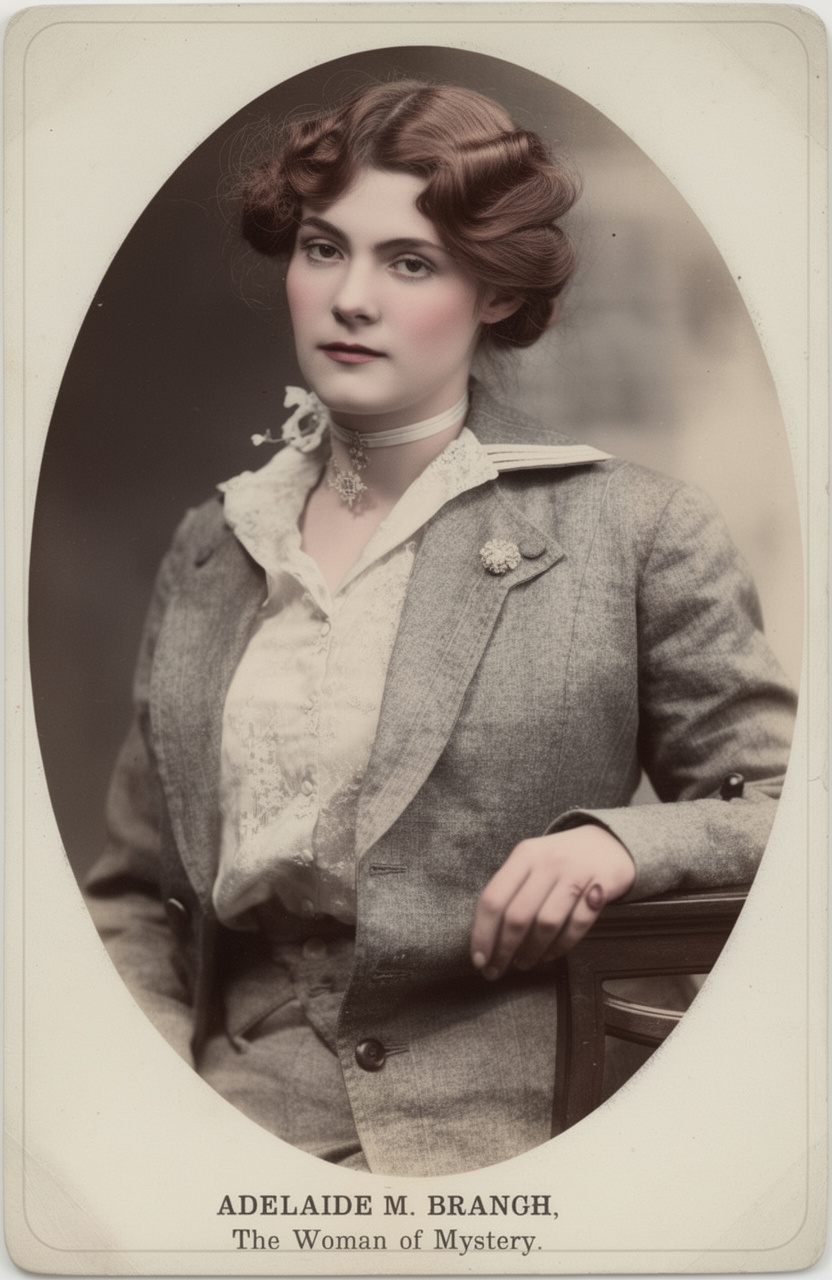
For an overview of a highly publicized scandal that happened in Monticello, New York, shortly before Christmas in 1913, interested readers can link here to Chapter XXIII of The Brass Check by Upton Sinclair (1919), while awaiting publication of "The Hidden Woman" biography of Adelaide M. Branch (later known as Mary Douglas) during 2026.
Sinclair's focus, in this version of his essay on the story of Adelaide Branch, is a fiery exposé of American journalism, uncovering the corruption, corporate influence, and sensationalism that dominated the press in the early 20th century.
In the absence of autobiographical material written by Adelaide herself, sympathetic contemporary accounts like Sinclair's help historians understand who this woman was and something about what her life was like before and after she came to Monticello in 1898, after dropping out of Oswego Normal School to sell books.
The Brass Check (1919), in Sinclair's signature muckraking style, argues that newspapers -- far from being impartial watchdogs -- were tools of the wealthy and powerful, prioritizing profit, political agendas, and advertising revenue over truth. He critiques the "brass check" system (a reference to the tokens given to prostitutes in brothels, symbolizing journalistic integrity for sale), where reporters and editors suppressed labor movements, manipulated public opinion, and served industrialists like Rockefeller and Hearst. The book remains a scathing indictment of media bias and the dangers of unchecked corporate control over information.
Tags
- Log in to post comments